
Vitamins for Healthy Skin: Complete Guide
Discover how essential vitamins and skin-beneficial ingredients work together to support your skin's health, elasticity, and natural radiance. Learn from Dermacomponentcare what science says about nourishing skin from the inside and outside.
Why Skin Needs Vitamins and Essential Nutrients
Your skin is the body's largest organ and faces constant environmental stress—from UV radiation to pollution and oxidative damage. Vitamins and antioxidants in cosmetics play a crucial role in maintaining skin health by neutralizing free radicals, supporting collagen production, and preserving skin hydration and elasticity.
When combined with a diet rich in foods good for skin, targeted cosmetic ingredients create a comprehensive approach to skin wellness. This guide explores the most important vitamins for skin, how they function, and which products and nutrients deliver real, science-backed benefits.
Whether you're concerned about photoaging, loss of elasticity, or maintaining a healthy complexion, understanding these ingredients helps you make informed choices about your skincare routine.
Essential Vitamins for Skin Health
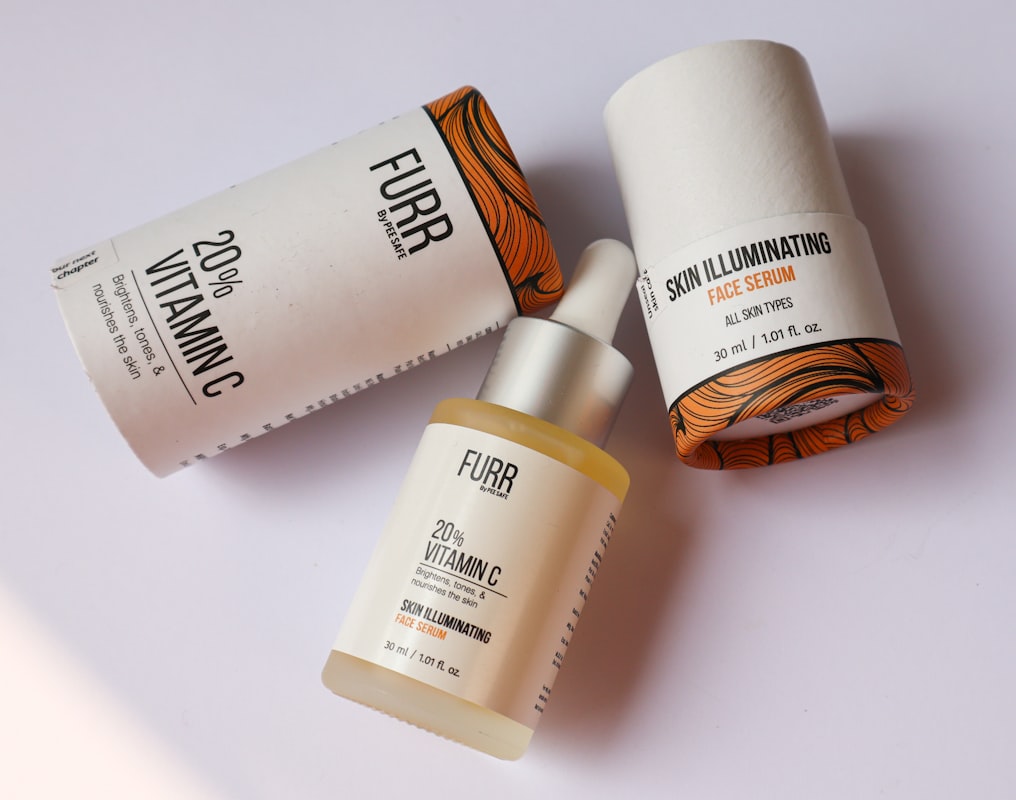
Vitamin C for Skin
A powerful antioxidant that brightens skin, reduces appearance of discoloration, and supports collagen synthesis. Vitamin C in cosmetics helps protect against photoaging and environmental stressors while improving skin radiance and evenness.
- Neutralizes free radicals
- Brightens complexion
- Supports skin barrier
Retinol for Face
A derivative of vitamin A, retinol promotes skin cell turnover and supports skin elasticity. This cosmetic ingredient helps improve texture, clarity, and the appearance of fine lines while supporting the skin's natural renewal process.
- Enhances cell turnover
- Improves skin texture
- Reduces visible signs of aging
Hyaluronic Acid Benefits
While not a vitamin, this humectant is essential for skin hydration. Hyaluronic acid holds moisture in the skin, plumps the complexion, and helps maintain skin elasticity. It's a cornerstone ingredient in modern skincare formulations.
- Deep skin hydration
- Plumps fine lines
- Supports skin barrier
Antioxidants in Cosmetics
Beyond vitamin C, cosmetic antioxidants like vitamin E, niacinamide, and polyphenols protect skin from oxidative stress and environmental damage. These ingredients work synergistically to support protection against photoaging and maintain skin health.
- Protects from oxidative damage
- Reduces inflammation
- Strengthens skin defenses
Peptides in Skincare
Amino acid chains that signal skin cells to produce more collagen and elastin. Peptides are cutting-edge cosmetic ingredients that support skin firmness and elasticity, making them valuable for addressing visible signs of aging and maintaining skin resilience.
- Supports collagen production
- Improves skin firmness
- Enhances elasticity
Protection Against Photoaging
UV exposure causes cumulative skin damage through oxidative stress. A comprehensive approach combining sun protection with vitamins and antioxidants helps defend against photoaging. Understanding how cosmetic ingredients provide this protection is key to long-term skin health.
- Prevents UV-related damage
- Supports DNA protection
- Maintains skin youth
Skin Hydration and Elasticity: The Complete Picture

How Vitamins Support Skin Hydration and Elasticity
Skin hydration depends on both water retention and a healthy skin barrier. Hyaluronic acid works at the cellular level to bind moisture, while vitamins like niacinamide strengthen the barrier to prevent water loss. Peptides and collagen-supporting ingredients work together to maintain skin elasticity.
Elasticity is determined by collagen and elastin fibers in the dermis. Vitamin C, retinol, and peptides all support the production and stabilization of these structural proteins. Over time, consistent use of products containing these skin-beneficial ingredients helps maintain firmness and resilience.
The key is combining multiple mechanisms: hydration (hyaluronic acid), barrier support (ceramides, niacinamide), and structural support (peptides, vitamins). This multi-ingredient approach reflects modern understanding of how skin ages and how cosmetic ingredients can help address these processes.
Consistency and patience are essential—visible improvements in skin elasticity and hydration typically develop over weeks and months of regular use.
Foods Good for Skin: Nutritional Support
Colorful Produce for Antioxidants
Orange and red vegetables like carrots, sweet potatoes, and bell peppers are rich in beta-carotene (vitamin A precursor). Dark leafy greens—spinach, kale, and broccoli—contain lutein and zeaxanthin. Berries deliver anthocyanins and polyphenols. These foods complement topical cosmetics by providing internal antioxidant support.
Healthy Fats and Protein
Fatty fish like salmon and mackerel provide omega-3 fatty acids, which support skin hydration and reduce inflammation. Nuts, seeds, and avocados offer vitamin E and other fat-soluble antioxidants. Lean protein supplies amino acids needed for collagen and elastin synthesis.
Citrus and Vitamin C Sources
Oranges, lemons, kiwis, and strawberries are excellent sources of dietary vitamin C. While topical vitamin C in cosmetics provides direct local benefits, consuming vitamin C-rich foods supports overall collagen health and acts as internal antioxidant protection.
Hydration and Whole Foods
Water-rich foods like cucumbers, tomatoes, and melons contribute to overall hydration. Whole grains and legumes provide B vitamins and fiber. A balanced diet rich in whole, nutrient-dense foods creates the internal foundation that works synergistically with external skincare products.
Understanding Cosmetic Ingredients: A Scientific Approach
What Makes an Ingredient Effective
Not all skincare ingredients are created equal. Effective cosmetic ingredients must meet several criteria: proper molecular size for skin penetration, appropriate concentration to deliver results, stability in formulation, and scientific evidence supporting their claims.
Dermacomponentcare focuses on ingredients that have been studied and shown to provide measurable benefits. This means understanding not just what an ingredient is, but how it functions, in what concentration it works, and how it interacts with other components in a formula.
When evaluating skincare products, look for transparency about ingredient lists, concentrations, and the scientific basis for claims. Education about skin-beneficial ingredients empowers you to make choices aligned with your skin's needs.
Read our detailed vitamin guide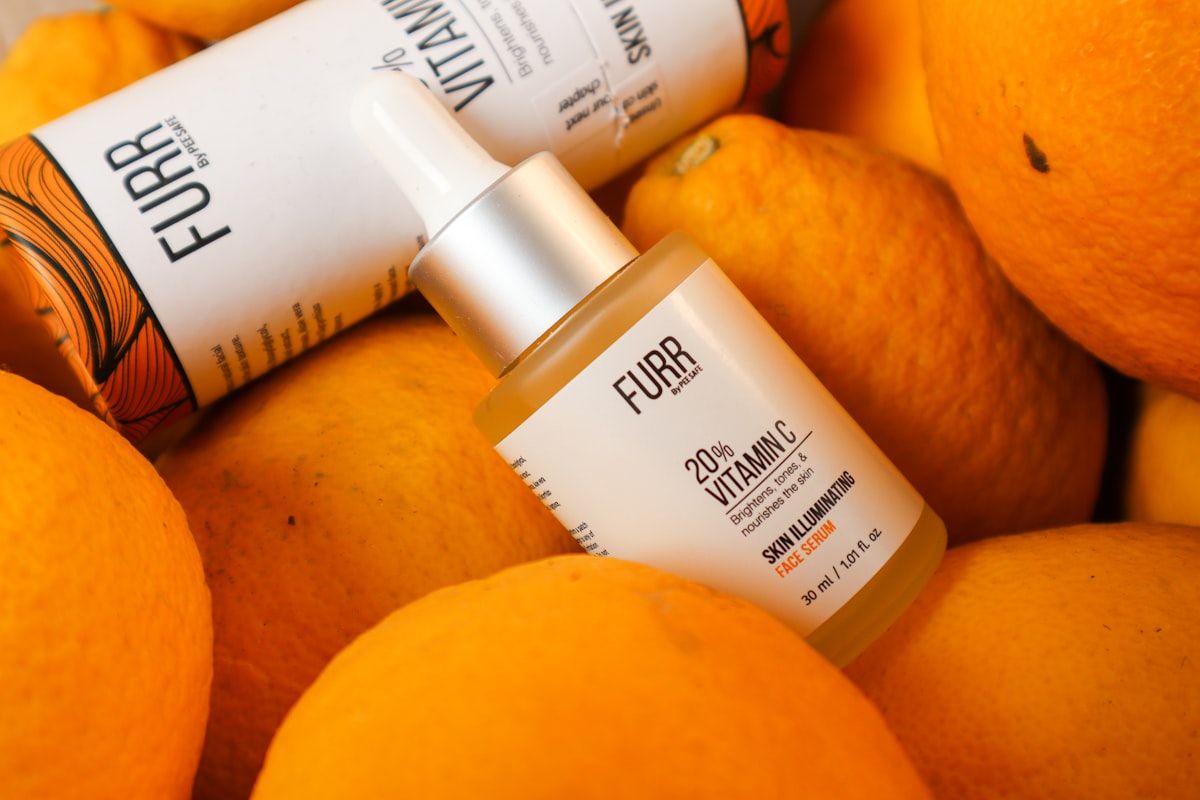
The Dermacomponentcare Approach to Skin Wellness
Education First
We believe informed readers make better skincare decisions. Our guides explore how vitamins for skin, antioxidants in cosmetics, and skin-beneficial ingredients actually work—so you understand what you're applying and why.
Science-Based Content
Every article references published research about retinol for face, hyaluronic acid benefits, peptides in skincare, and protection against photoaging. We translate complex dermatology into accessible knowledge.
Practical Guidance
Beyond theory, we provide practical information about incorporating vitamins and nutrients into your daily routine. Learn how to build a skincare regimen that addresses your specific skin concerns and goals.
Common Questions About Skin Vitamins
How long does it take to see results from skincare with vitamins?
Most visible improvements in skin texture and appearance develop over 4-8 weeks of consistent use. Hydration benefits may appear sooner, while structural changes supporting skin elasticity take longer. Results depend on product formulation, concentration of active ingredients, skin type, and your overall skincare routine and lifestyle.
Can I use multiple vitamins in my skincare routine?
Yes, many effective routines layer products with complementary ingredients. Vitamin C and vitamin E work synergistically. Hyaluronic acid pairs well with peptides and retinol. However, some combinations—like retinol with vitamin C in very high concentrations—may reduce efficacy or cause irritation. Understanding ingredient compatibility helps optimize your routine.
What is the difference between topical and dietary vitamins for skin?
Topical vitamins in cosmetics act directly on skin cells and provide concentrated, localized benefits. Dietary vitamins support skin from within through systemic circulation. Both approaches are valuable—topical products offer direct efficacy, while nutrition provides foundational support. A complete approach uses both strategies.
How do peptides differ from other skin-beneficial ingredients?
Peptides are amino acid sequences that communicate with skin cells to trigger specific responses, particularly collagen production. Unlike passive humectants like hyaluronic acid (which hydrate), peptides are signaling molecules. They work complementarily with vitamin C, retinol, and antioxidants to support multiple aspects of skin health simultaneously.
Is retinol for face suitable for sensitive skin?
Retinol can cause irritation, especially for sensitive skin. Lower concentrations and less frequent application (starting 2-3 times weekly) allow skin to build tolerance. Many brands offer gentler retinol derivatives. Pairing retinol with hydrating ingredients and sunscreen support is essential for all skin types, particularly sensitive skin.
What role does sunscreen play with vitamin-based skincare?
Sunscreen is essential because UV exposure creates oxidative damage that undermines the benefits of vitamins and antioxidants. Daily broad-spectrum sun protection prevents photoaging and ensures that all your skincare ingredients can work effectively. Protection against photoaging depends equally on prevention (sunscreen) and treatment (vitamins).
Building Your Vitamin-Rich Skincare Routine
Cleanse and Prep
Start with a gentle cleanser to remove impurities and prepare skin for active ingredients. A clean skin surface allows vitamins and other cosmetic ingredients to penetrate effectively. This foundational step is often underestimated but critical for results.
Apply Active Ingredients
Apply vitamin C, retinol, peptides, or other active ingredients to clean skin. Start with lower concentrations and increase gradually to allow skin tolerance to develop. Layering complementary ingredients can enhance benefits when done thoughtfully.
Hydrate and Protect
Follow with hyaluronic acid, moisturizer, and sunscreen. These steps lock in active ingredients, support skin hydration and elasticity, and provide essential protection against environmental damage. Daily sunscreen is non-negotiable for skin health.
Real Transformations: Skin Wellness Stories
"I started understanding what ingredients actually do rather than chasing trends. After learning about hyaluronic acid benefits and vitamin C for skin, my approach changed completely. My skin feels more hydrated and looks clearer than it has in years."
Maria
Helsinki, Finland
"The results speak for themselves. Within two weeks, my acne scars started fading noticeably. I'm impressed!"
James
Toronto, Canada
"Finally found a skincare line that doesn't irritate my sensitive skin. The texture is luxurious and the smell is divine."
Sophie
Paris, France
Transform Your Skin Today
Join thousands of satisfied customers who have experienced the Dermacomponentcare difference. Start your journey to radiant, healthy skin now.
Frequently Asked Questions
What makes Dermacomponentcare different?
Are your products cruelty-free and vegan?
How long does it take to see results?
Can I use your products if I have sensitive skin?
What's your return and refund policy?
Dermacomponentcare
Premium skincare formulated with science and nature in perfect harmony.
Support
© 2026 Dermacomponentcare – Y-tunnus: 6278518-7. All rights reserved.